

Justiça do Paquistão manda tirar assassino de Daniel Pearl do "corredor da morte"
O Supremo Tribunal do Paquistão ordenou que o cidadão britânico de origem paquistanesa absolvido da decapitação do jornalista Daniel Pearl em 2002 fosse retirado do "corredor da morte" e transferido para uma residência vigiada.
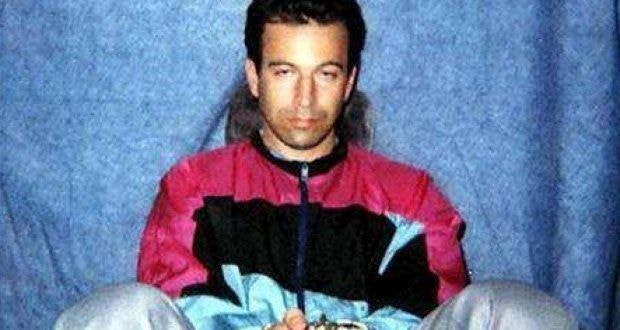
Ahamad Saeed Omar Sheik, que esteve no "corredor da morte" durante os últimos 18 anos, vai ser transferido da prisão onde se encontra para uma casa sob a vigilância das autoridades, podendo vir a receber visitas da mulher e dos filhos.
"Não é a liberdade total. É um passo em direção à liberdade", disse Saed Sheik, pai de Omar Sheik, presente na audiência que decorreu hoje.
O Tribunal Supremo confirmou na quinta-feira a anulação da condenação à morte do extremista britânico de origem paquistanesa suspeito de ter assassinado em 2002 o jornalista norte-americano Daniel Pearl, abrindo a possibilidade da sua libertação imediata.
Desde então, o Governo do Paquistão tem lutado para que o homem seja mantido em prisão.
Washington e os familiares de Daniel Pearl apresentaram um recurso para que a decisão do Tribunal Supremo venha a ser revista.
Mesmo assim, o advogado do jornalista assassinado em 2002 disse que vai ser difícil reverter a decisão porque os juízes do Supremo Tribunal são os mesmos que vão decidir sobre o recurso que foi apresentado.
Os Estados Unidos já avisaram que irão pedir a extradição de Omar Sheik, caso a absolvição se mantenha.
Sheik também é suspeito de rapto de um cidadão norte-americano, em Caxemira, em 1994. O cidadão acabou por ser libertado.
Daniel Pearl tinha 38 anos e era correspondente do jornal norte-americanos Wall Street Journal quando desapareceu a 23 de janeiro de 2002 em Carachi.
A decapitação do jornalista foi filmada em vídeo, tendo o registo sido enviado para o consulado dos Estados Unidos no sul do Paquistão.
Um inquérito independente que se prolongou durante três anos no quadro do "Caso Pearl" determinou em 2011 que a justiça paquistanesa se tinha "afastado" do processo.
De acordo com Asra Nomani, antiga colega e amiga de Pearl, que dirigiu o inquérito, o paquistanês Khaled Cheick Mohammed (KSM, de acordo com as inicias em inglês), que reclamou ter sido o "cérebro" dos atentados contra Nova Iorque de 2001, foi o executor do jornalista.
KSM, preso no Paquistão em 2003, foi enviado para a prisão norte-americana de Guantánamo, Cuba.
Um psicólogo que interrogou o preso afirmou que KSM lhe confessou ter decapitado o jornalista norte-americano.
PSP // FPA
The U.S. government has said that it would seek Sheikh`s extradition if his acquittal is upheld. Sheikh has been indicted in the United States on Pearl`s murder as well as in a 1994 kidnapping of an American citizen in Indian-ruled sector of the divided region of Kashmir. The American was eventually freed.
The order sending Sheikh to a safe house would seem to be a concession to the federal government, as well as the government of southern Sindh province where Karachi is the capital. The Sindh government has refused successive orders to release Sheikh, even courting contempt charges from lower courts.
In the government-run safe house, Sheikh will be under a 24-hour guard _ often military personnel _ and will not be allowed to leave the house. Locations of such safe houses are usually kept secret; Pakistan`s security establishment has several such facilities across the country.
Pearl disappeared on Jan. 23, 2002, in the port city of Karachi where he was investigating links between Pakistani militant groups and Richard C. Reid, dubbed the ``shoe bomber`` after his attempt to blow up a flight from Paris to Miami with explosives hidden in his shoes.
Pearl`s body was discovered in a shallow grave soon after a video of his beheading was delivered to the U.S. Consulate in Karachi.
The Pentagon in 2007 released a transcript in which Khalid Sheikh Mohammad, the alleged mastermind of the 9/11 attacks on the United States, said he had killed Pearl.
``I decapitated with my blessed right hand the head of the American Jew Daniel Pearl,`` the transcript quoted Mohammed as saying. Mohammad first disclosed his role while he was held in CIA custody and subjected to waterboarding, sleep deprivation and other forms of torture. He remains in the U.S. prison in Guantanamo Bay and has never been charged with the journalist`s death.
Sheikh had long denied any involvement in Pearl`s death, but Pakistan`s Supreme Court last month heard that he acknowledged writing a letter in 2019 admitting a minor role _ raising hopes for some that he might remain behind bars.
In a series of tweets over the weekend, Pearl`s family urged followers to ``call your lawmakers in Pakistan, in the U.S., the world to support Danny`s parents,`` to keep Sheikh behind bars.
Last week`s ruling that exonerated Sheikh also exonerated another three men accused in Pearl`s murder who had been serving life sentences. It wasn`t clear whether they would be freed or also moved to a safe house.
Siddiqi, the Pearl family lawyer, said the original murder trial back in 2002 charged all four as one, which complicated the case and allowed the court to free all if there was doubt about the guilt of even one of the suspects.